Description
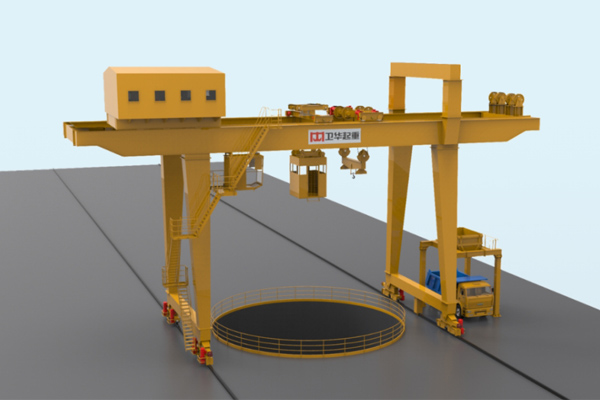
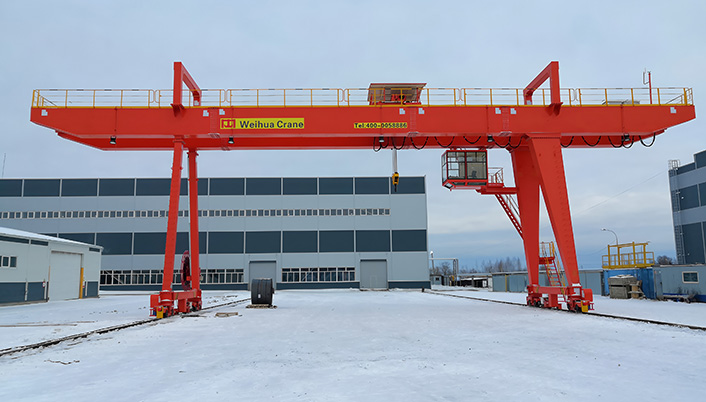
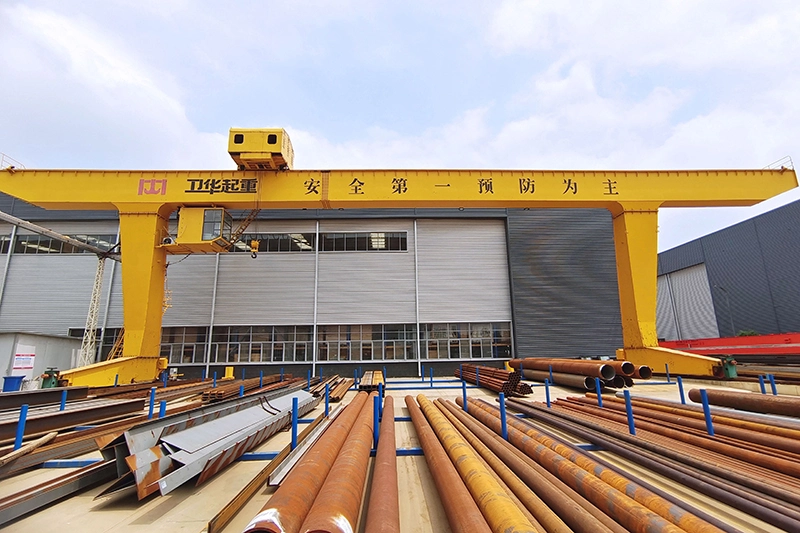
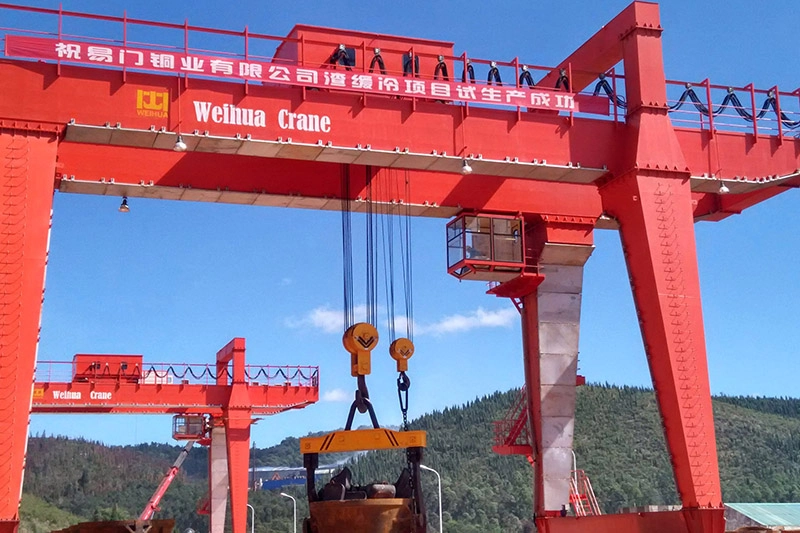
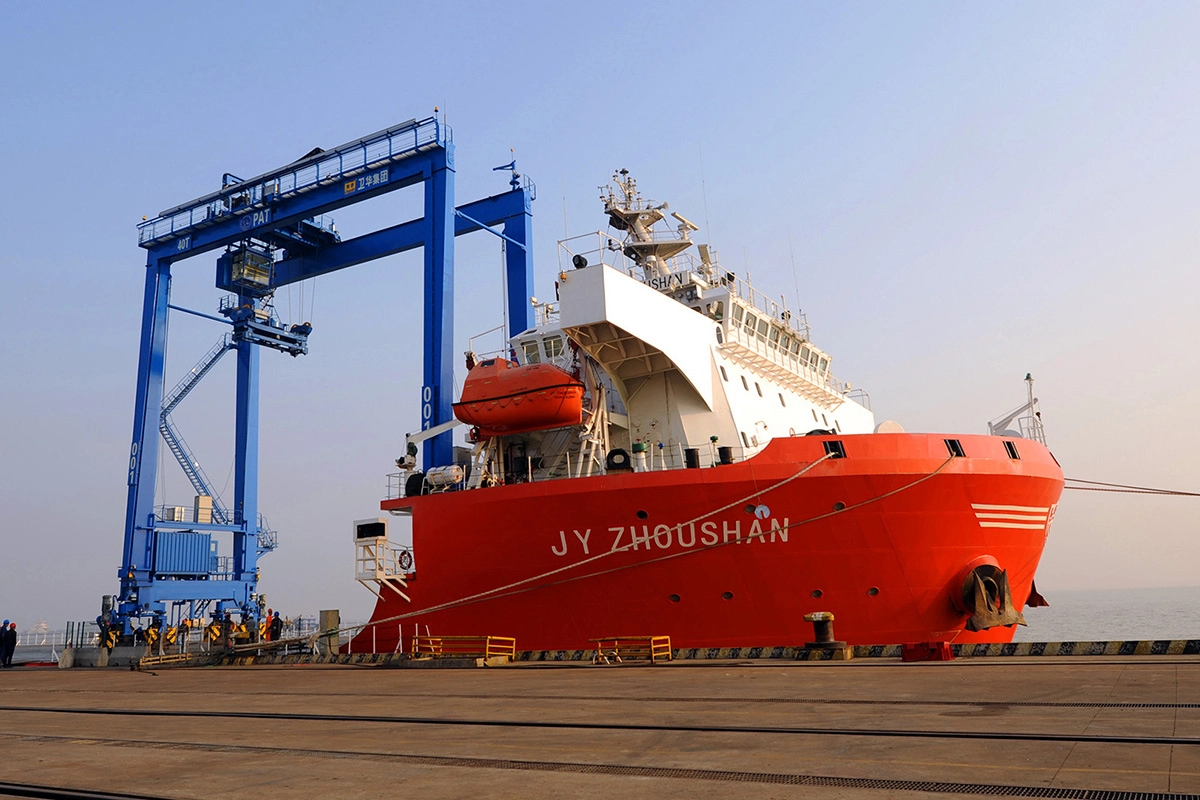
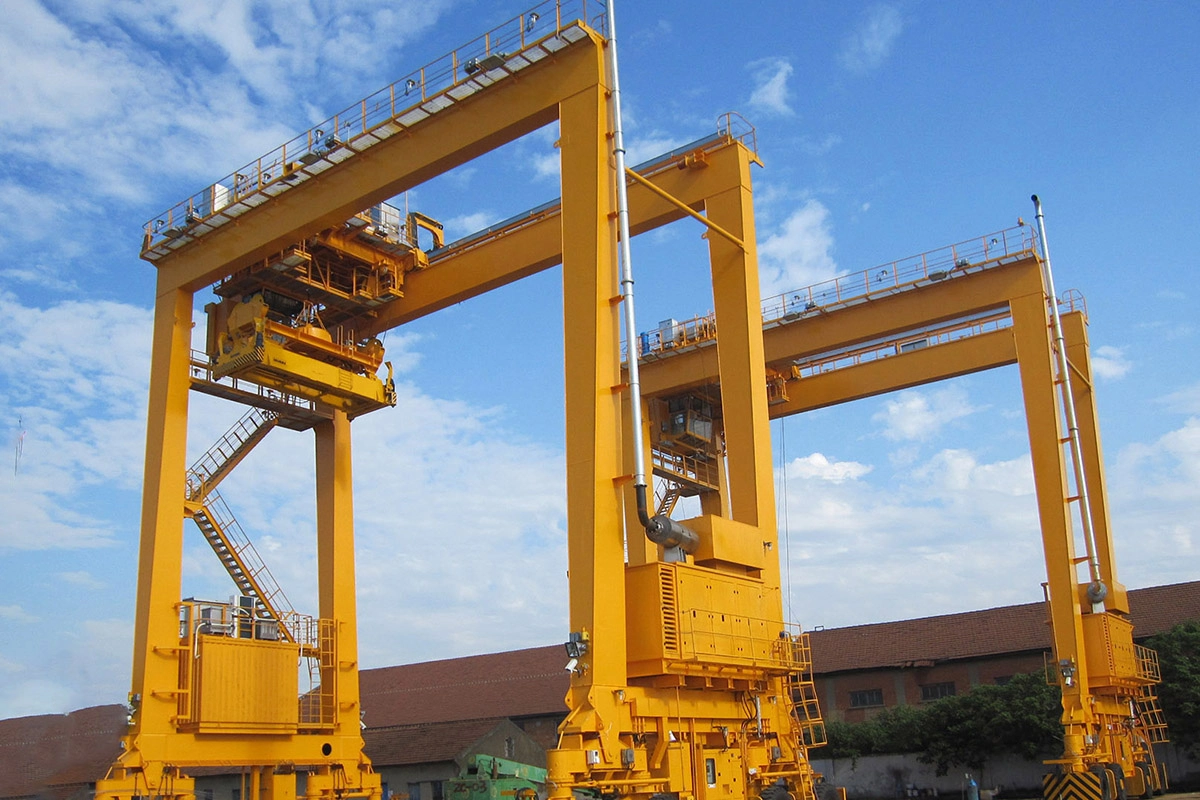
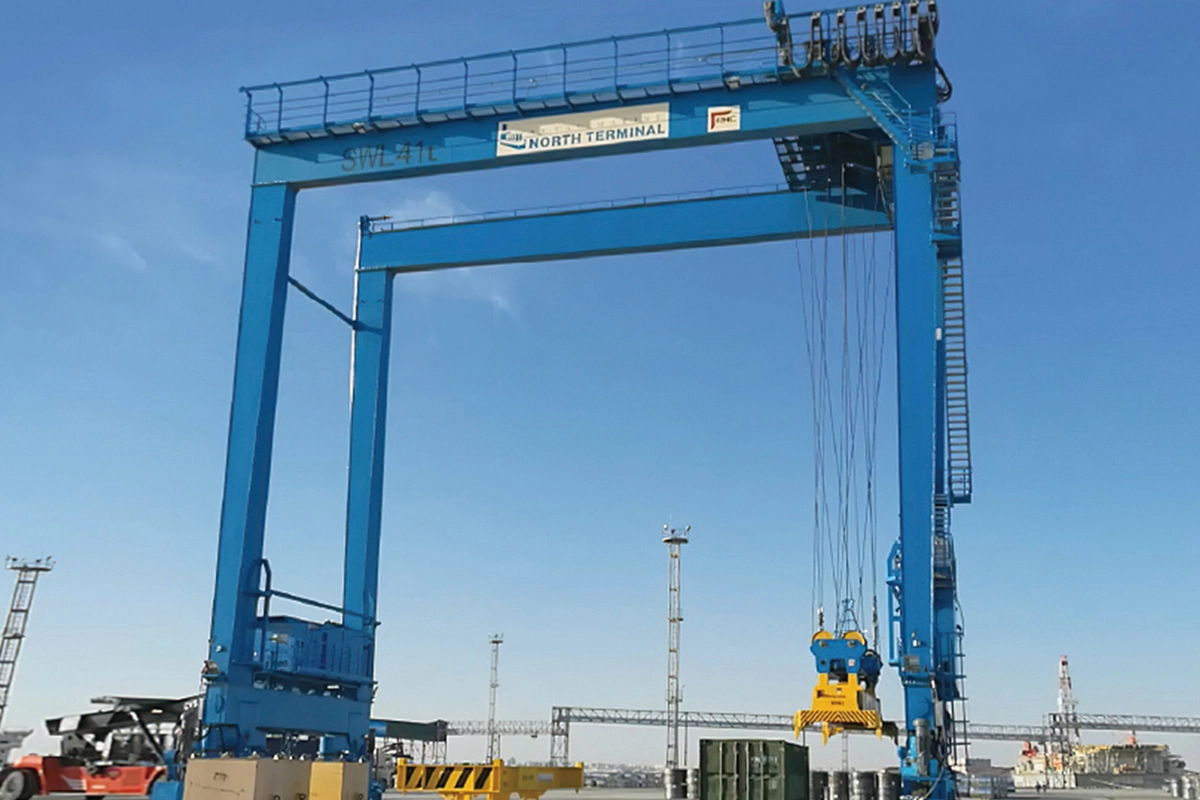
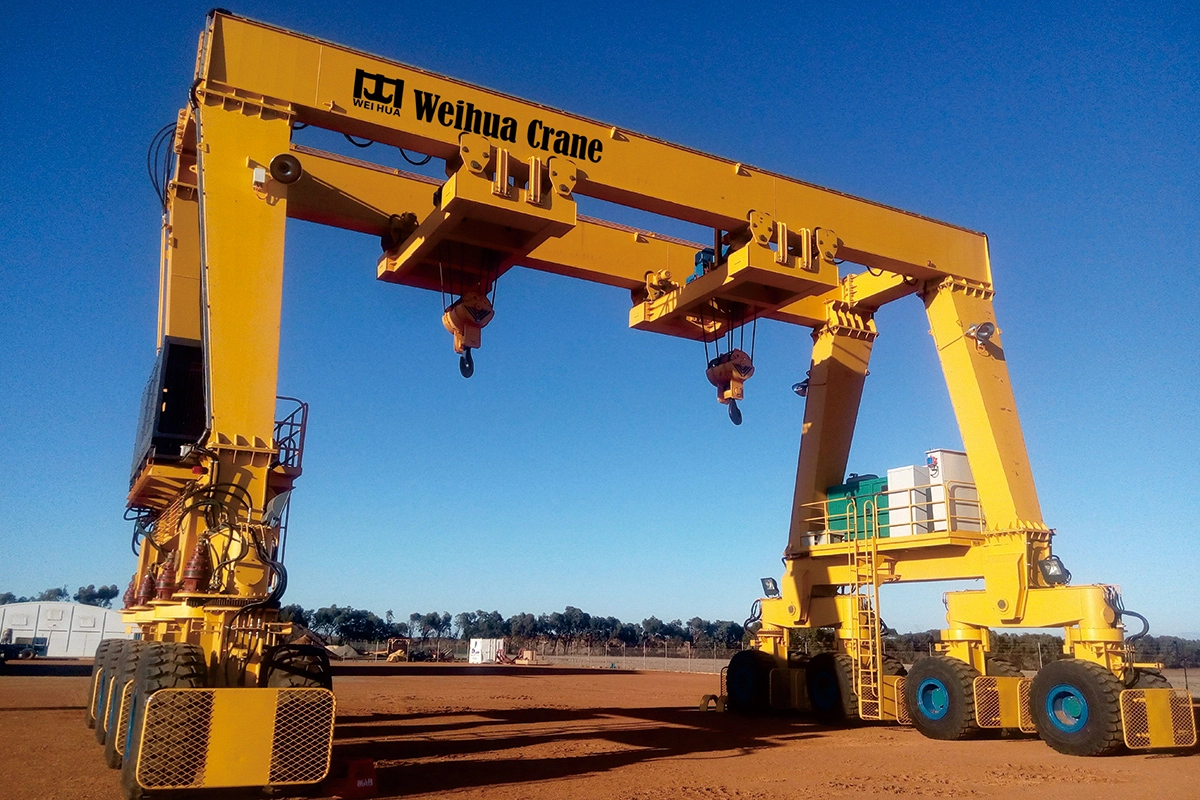
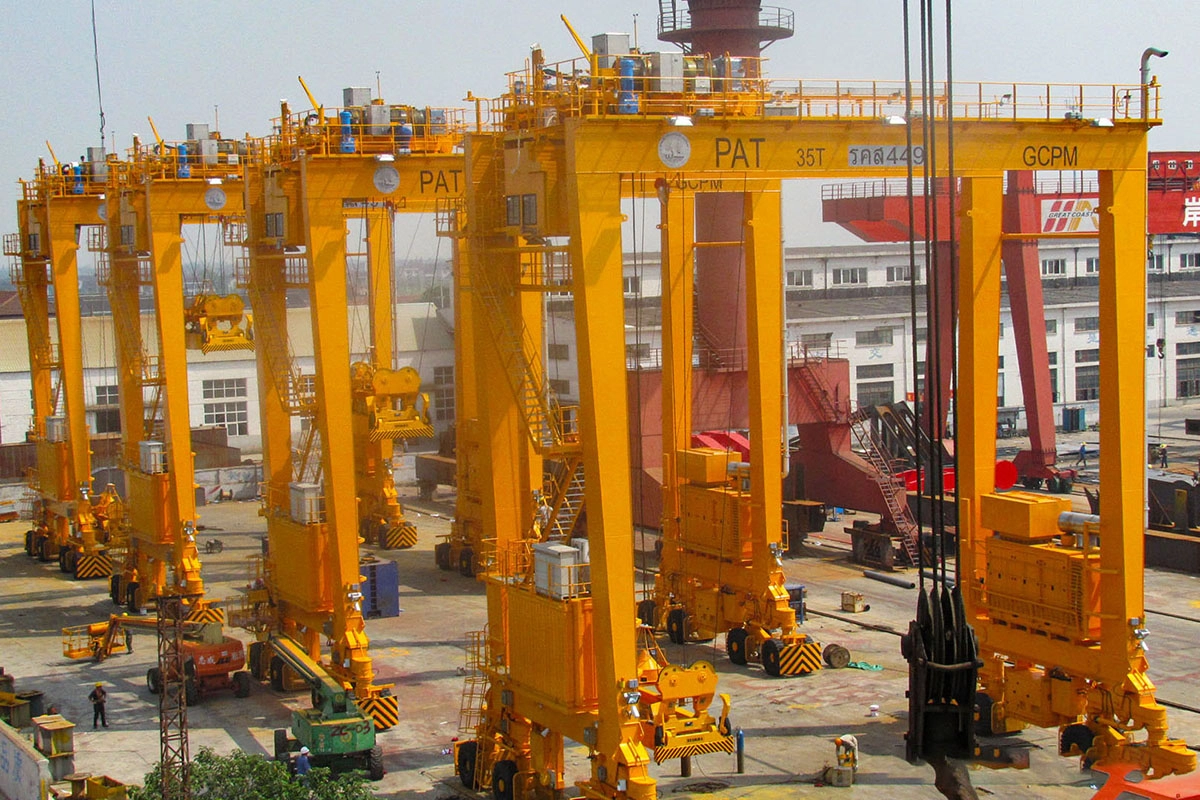
Weihua Rubber-Tyred Gantry Crane (RTG), also known as a rubber-tired container gantry crane, is a specialized container stacking and handling equipment launched by Weihua Group for port terminals, container yards, and railway transfer stations. This product is supported on inflatable rubber tires and is primarily driven by a diesel generator set. It can also be configured with cable reels, mains power, or lithium batteries according to customer needs. It is a highly mobile and adaptable container lifting machine.
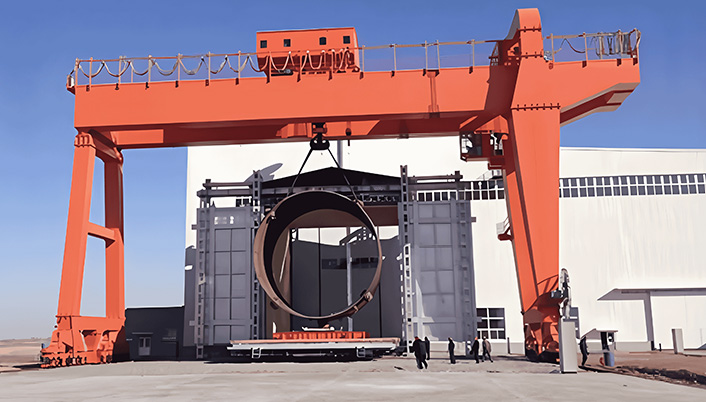
As a core operating equipment in container yards, RTGs are widely used in port terminals, container yards, railway container transfer stations, and highway container transfer stations, undertaking key tasks such as container stacking, handling, and loading/unloading. Designed, manufactured, and inspected according to advanced domestic and international standards such as DIN, FEM, IEC, AWS, and GB, the product boasts stable performance, long service life, high production efficiency, and low sensitivity to ground unevenness.
Structurally, the rubber-tired gantry crane mainly consists of a trolley traveling mechanism, a trip trolley traveling mechanism, a gantry frame, a power supply system, and specialized container spreaders. The gantry consists of a U-shaped frame and a base beam, supported by inflatable rubber tires, and travels along designated aisles. The machine features multiple travel modes, including straight travel, lateral travel, 0-90° turning, and stationary turning, allowing for flexible and convenient site changes.
Depending on the lifting capacity, standard RTGs range from 35 to 65 tons, with a span covering six rows of containers plus a truck aisle (approximately 23.5 meters), and a stacking height of up to 6 or more layers (6 layers stacked, 7 layers passable). The product can lift 20-foot, 40-foot, and 45-foot standard containers and hydraulic storage tanks, employing specialized container spreaders and equipped with a comprehensive anti-sway system, safety indicators, and overload protection devices to ensure the safety of operators and equipment.
Specifications
| Rate Capaticy | 100t |
| Span | 7m(Net span5.4m) |
| Hoisting Height | 5.75m |
| Hoisting Speed | 0~1m/min Heavy load |
| 0~2m/min Empty load | |
| Gradeability | 2.5% |
| Travelling Speed | 0~25m/min Heavy load |
| 0~45m/min Empty load | |
| Arches Loading | 42500kg |
| Grounde Press | <0.9kg/cm2 |
| Road Condition | matfess,pressed gravel |
| Tire type/no. | 18.00-25/8 |
| Driving wheel/Driven wheel | 2/2 |
| Extenal Dimension | lenght 11.5mxwidth 9.1mXheight 9.15m |
| Total Power | 85kw Power supplyed by diesel engine |
| Control Model | Cab and remote control |
| Transmission Model | all device driven by hydraulic system |
| Steering Model | 360° rotation,all wheel steering |
Advantages
When purchasing a marine travel lift for sale, it is recommended to conduct a professional evaluation in the following four areas:
Superior Yard Mobility
Equipped with rubber tires instead of fixed rails, the RTG can move freely across the yard without being restricted to specific paths. It can perform straight travel, lateral movement, and even 90° right-angle turns, enabling rapid relocation between different container rows and adaptation to changing operational demands .
High-Density Stacking Efficiency
With lifting heights reaching up to 5 to 6 containers high and spans accommodating multiple rows , the RTG delivers exceptional vertical and lateral stacking density. This maximizes TEU capacity per square meter of yard area—a critical advantage for land-constrained terminals .
Precision Handling & Automation-Ready
Advanced electronic anti-sway systems effectively suppress load swing for fast and accurate container alignment, with positioning accuracy reaching ≤±10mm . The crane also supports automated RTG (ARTG) configurations with remote control, 5G communication, and laser positioning, enabling unmanned or semi-automated operation .
Flexible Power & Energy Efficiency
The RTG supports diverse power options—including diesel-electric hybrid, grid power, lithium batteries, and hydrogen fuel cells—to suit various operational and environmental requirements . Models equipped with regenerative energy recov
Cases